
EWE
-
by

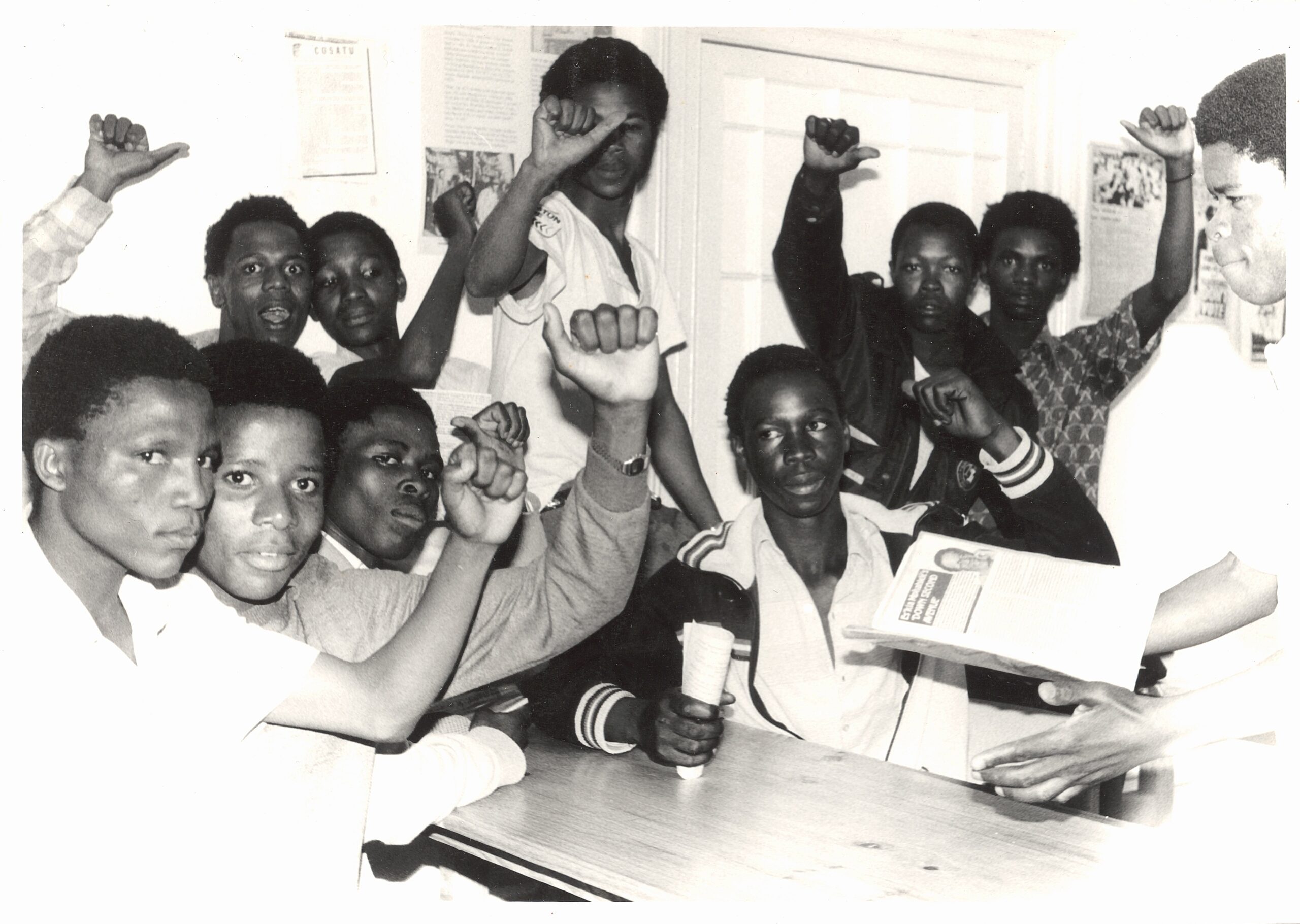
SACHED’s Ewe Project was a support programme for detainees and ex-detainees across the educational sphere. This project was developed by Louise Vale and others in 1985 in the Eastern Cape. This project foregrounded knowledge-sharing, skills development, and cultural awareness. The project focuses on promoting literacy and educational access among underprivileged groups, with a particular emphasis on rural areas. It aims to bridge educational gaps by providing tailored resources and training, particularly in the form of community-based workshops, mentorship programs, and the creation of locally relevant educational materials.
The Ewe Project also seeks to highlight the cultural significance of the Ewe language and its role in fostering a sense of identity and unity within the community. This aspect of the project is focused on revitalizing traditional knowledge systems while integrating modern educational strategies to address contemporary challenges. By involving local leaders, educators, and community members, the project fosters a sense of ownership and sustainability, ensuring that the impact of its efforts extends beyond the duration of the project itself. The Ewe Project stands as an example of how grassroots initiatives can support long-term educational development and cultural preservation. This project embodies SACHED’s broader mission of social justice and equal access to education, contributing to the transformation of society by empowering individuals to build better futures for themselves and their communities.
Another example, the EWE project in the Eastern Cape with young detainees or ex-detainees success fully integrated two of the above positions in curriculum terms: a strong commitment to the development and discipline of a democratic social movement co-existed with a nurturant, confidence building form of psychological support to construct a new and unlikely form of young adult schooling (EWE 1990). Third. none of these positions derives from the state of school or classroom: they derive from missions or professional commitments. And none uses the language of exchange value. Value is intrinsic to the practice. The mission needs to be advanced through the student teacher within the system.”
Clive Millar, “New rules for educating the educators,” Page 86.